Lot details
Inventory no.130
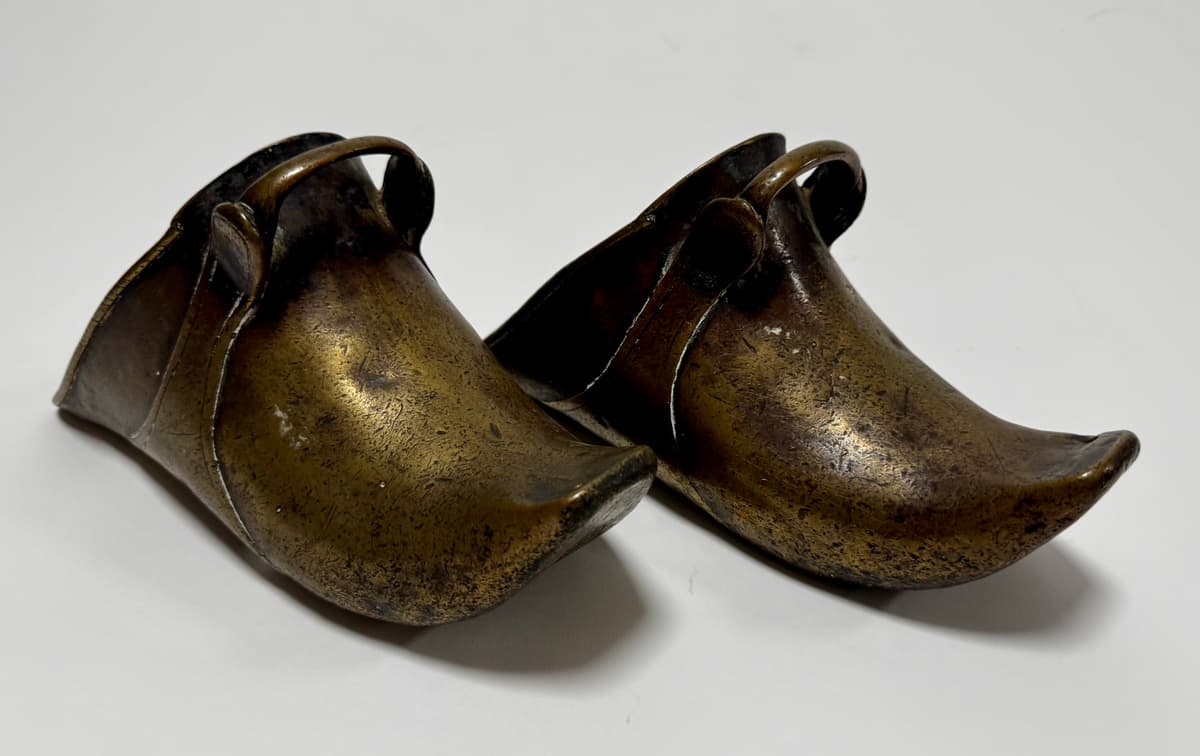
Lot 4
Ismeretlen spanyol művész2 images
Detailed description
An antique bronze conquistador stirrup is a rare and fascinating historical artifact that may originate from the European colonization period, particularly from the era of the 16th-century Spanish conquistadors. These stirrups served not only practical purposes but were also viewed as status symbols and works of art. Here are some important points to consider:
1. Historical Context
- Conquistadors: The Spanish conquerors who colonized Latin America in the 16th century often used finely crafted weapons and equipment to showcase their wealth and power.
- Role of Stirrups: Stirrups were crucial in battle, as they allowed riders to maintain stability in the saddle while using their weapons effectively.
2. Material and Decoration
- Bronze: Bronze stirrups were durable yet lightweight for practical use. They were often cast or engraved to achieve an artistic appearance.
- Decoration: Conquistador stirrups were frequently adorned with religious or heraldic symbols, such as crosses, coat-of-arms, or other Spanish motifs.
- Style: Unique shapes and decorations can help identify the place and period of manufacture.
3. Collectible Value
- Rarity: Such items are rare, as many have worn out, been destroyed, or melted down over time.
- Value: Their worth depends on age, condition, authenticity, and historical significance. An original 16th-century bronze stirrup can be worth several thousand dollars.
- Authentication: It is essential to have such artifacts authenticated by experts, as many reproductions and forgeries exist in the market.
4. Functional and Cultural Significance
- Military Tool: Stirrups were indispensable for mounted warriors, enabling them to fight effectively, particularly during the colonization period.
- Cultural Heritage: Such an artifact offers insight into 16th-century Spanish culture and the warfare techniques of the colonization era.