Agustino di Duccio
Dancer Woman
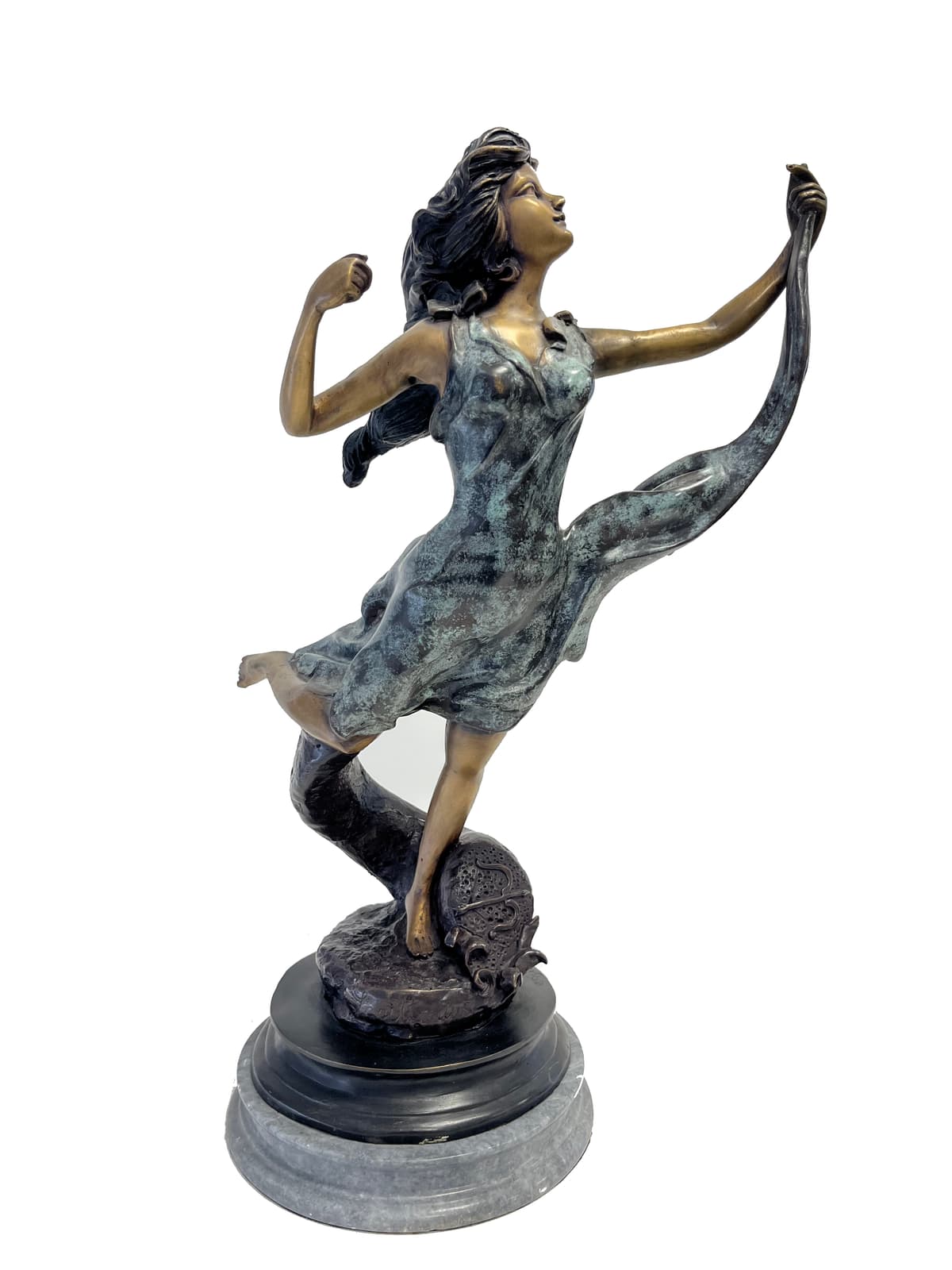
Description
No description available yet.
Detailed description
Agostino di Duccio: Life Path and Artistic Career
Agostino di Duccio (1418–c.1481) was an outstanding sculptor of the Italian Quattrocento, who simultaneously combined the formal innovations of Gothic and early Renaissance. He began his career in the southern Italian region of Marche, quickly attracting a series of patrons to Rome and Naples. His work is characterized by fine plasticity, graceful lines, and a delicate sense of proportion.
Style and Artistic Vision
Di Duccio mainly worked in marble and porphyry carving. His sculptures exhibit the classical harmony of the early Renaissance, while the romance of Gothic ornamentation is also palpable. His art is built on the contrast of emotional charge and the simultaneously tense yet pulsating lines.
Significant Works
• Santa Maria del Popolo (Rome): the reliefs of the chapels, which showcase the richness of plasticity in the depiction of Moses, Mary Magdalene, and the characters’ facial representations.
• Tempio Malatestiano (Rimini): the main entrance and the interior reliefs, where humanist iconography meets the proportions of the natural human body.
• Sibyls and Prophets (Montefeltro Palace, Urbino): the shielded medallions that present a blend of contemporary heraldry and biblical tradition.
Legacy and Influence
Agostino di Duccio's art served as a bridge between the ornamentation of Gothic and the classical simplicity of the Renaissance. His enduring influence inspired early 16th-century Lombard and Tuscan workshops. The softly draped cloaks of his sculptures, their delicate facial expressions, and dynamic compositions are still studied examples in the development of Renaissance plasticity.