Rubint Ávrahám Péter
The Wholeness II.
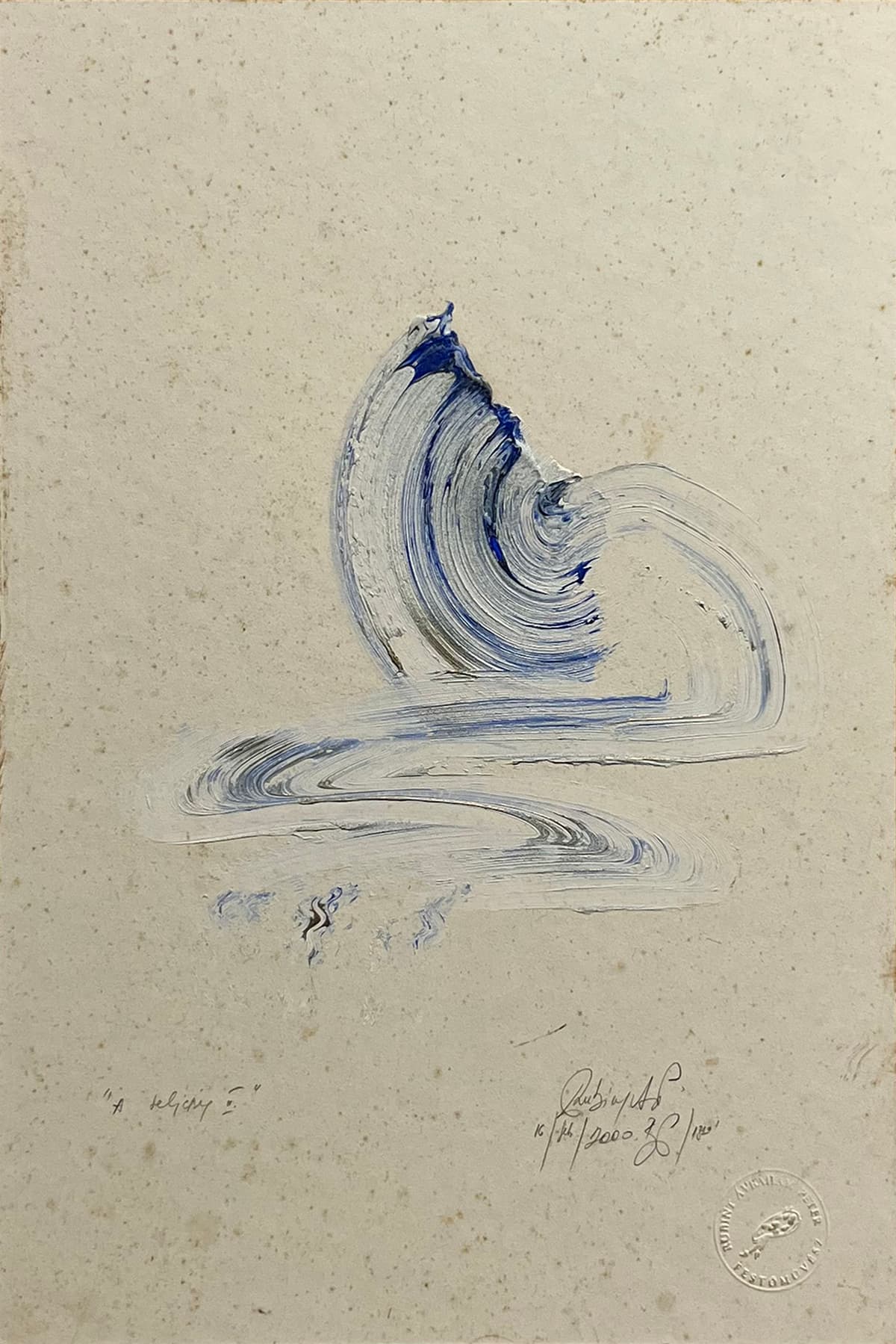
Description
No description available yet.
Curators

Ács Érmes Károly
curator
ermesprojekt@gmail.com
Detailed description
Péter Ávrahám Rubint – Presentation of Life’s Work and Works
Péter Ávrahám Rubint (1975, Budapest) is one of the most exciting representatives of contemporary Hungarian art. His work is characterized by a commitment to conceptual thinking and the handling of space and light. He studied at the Hungarian University of Fine Arts, and then began creating experimental light installations and multiplied graphics in his climate-controlled studio.
His early works, such as the “Reflections” and “Light Wave” series, explore the play of reflections, opening new perspectives on perception. The combination of glass, acrylic, and LED modules used in the works creates a dynamic spatial experience that is both plastic and ethereal.
His installation titled “Spread Light Beams”, presented in 2010 at the Trafó House of Contemporary Arts, received immediate national acclaim. The large-scale, variable color lights reflecting off flat surfaces encourage interactive activity from the viewer, thus making the audience a participant in the creation itself.
His sculptural line is represented by light platforms combined with concrete and steel structures. During the “Spatial Nets” series, he allows continuous flows of light to pass through illuminated channels arranged in geometric grids. These works highlight the architectural features of built space when exhibited in urban environments, public squares, or galleries.
In his graphic and printed works, he combines digital and traditional techniques: lithographs, offset series, and encoded raster drawings reveal the relationship between modern technology and human perception. His latest projects are taking place in VR and AR environments, further expanding his artistic horizon.
Péter Ávrahám Rubint's art moves along the borderlands of light, space, and technology. His creations not only provide a visual experience but also encourage reflection, thus making the viewers themselves part of the active reception process.