Rubint Ávrahám Péter
Movement culture
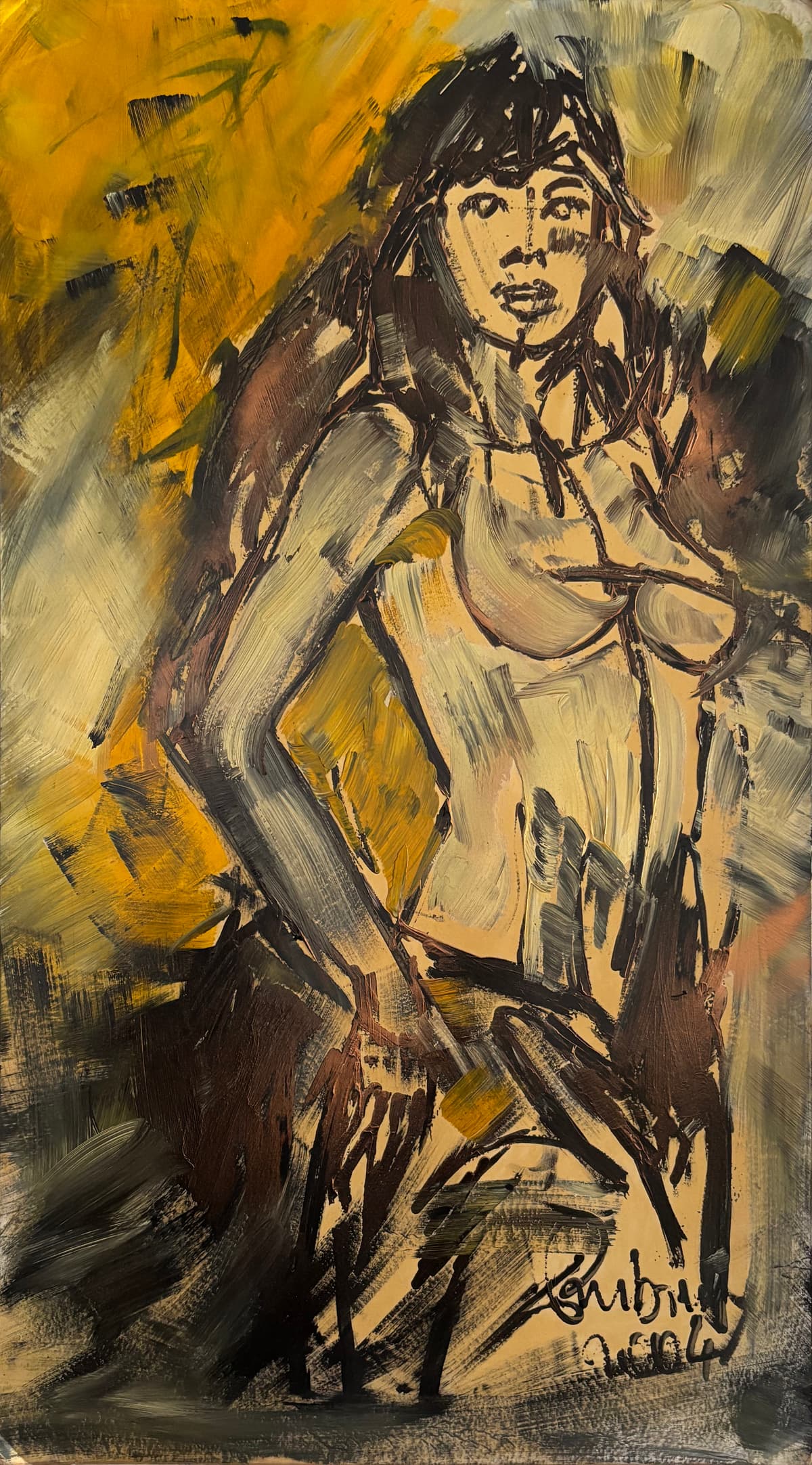
Description
No description available yet.
Curators

Ács Érmes Károly
curator
ermesprojekt@gmail.com
Detailed description
Introduction of Péter Rubint Ávrahám
Péter Rubint Ávrahám (1975–) is a contemporary Hungarian artist who works on the border of traditional painting and modern installation. Born in Budapest, the creator discovered the diversity of visual languages early on, and his experimental spirit is manifested in a variety of media. The cornerstone of his art is the reinterpretation of the relationship between light, shadow, and material.
His Work
His studies at the Hungarian University of Fine Arts between 1998 and 2003 were characterized by a blend of art-based theories and contemporary artistic practices. His creations include oil paintings, metal sculptures, and interactive multimedia installations. His works have been regularly exhibited at the Ludwig Museum, MODEM, and various foreign galleries, including those in Berlin and New York. In 2004, his first solo exhibition was at the Kör Gallery in Budapest; thereafter, he received several art scholarships and creative support. In 2012, he won the Munkácsy Award, and in 2016, the International Contemporary Art Award.
Notable Works
The installation Shadow Play (2005) examines the harmony of metal plates and projected light, exploiting the dynamics of shadow. The Margin Notes (2010) series contains paper-based, animated digital drawings that explore the relationship between nature and technology. The Light Harmonies (2018) series of paintings attempts to reflect the sensations of musical structures through abstract color compositions.
His Legacy
Péter Rubint Ávrahám's work is a defining piece of the Hungarian contemporary art scene. He regularly shares his experiences in professional lectures and masterclasses, and generations of young creators carry forward his inspiration. His works reflect the ongoing dialogue between technological development and human perception, and thus his artistic legacy is significant in both domestic and international contexts.