Rubint Ávrahám Péter
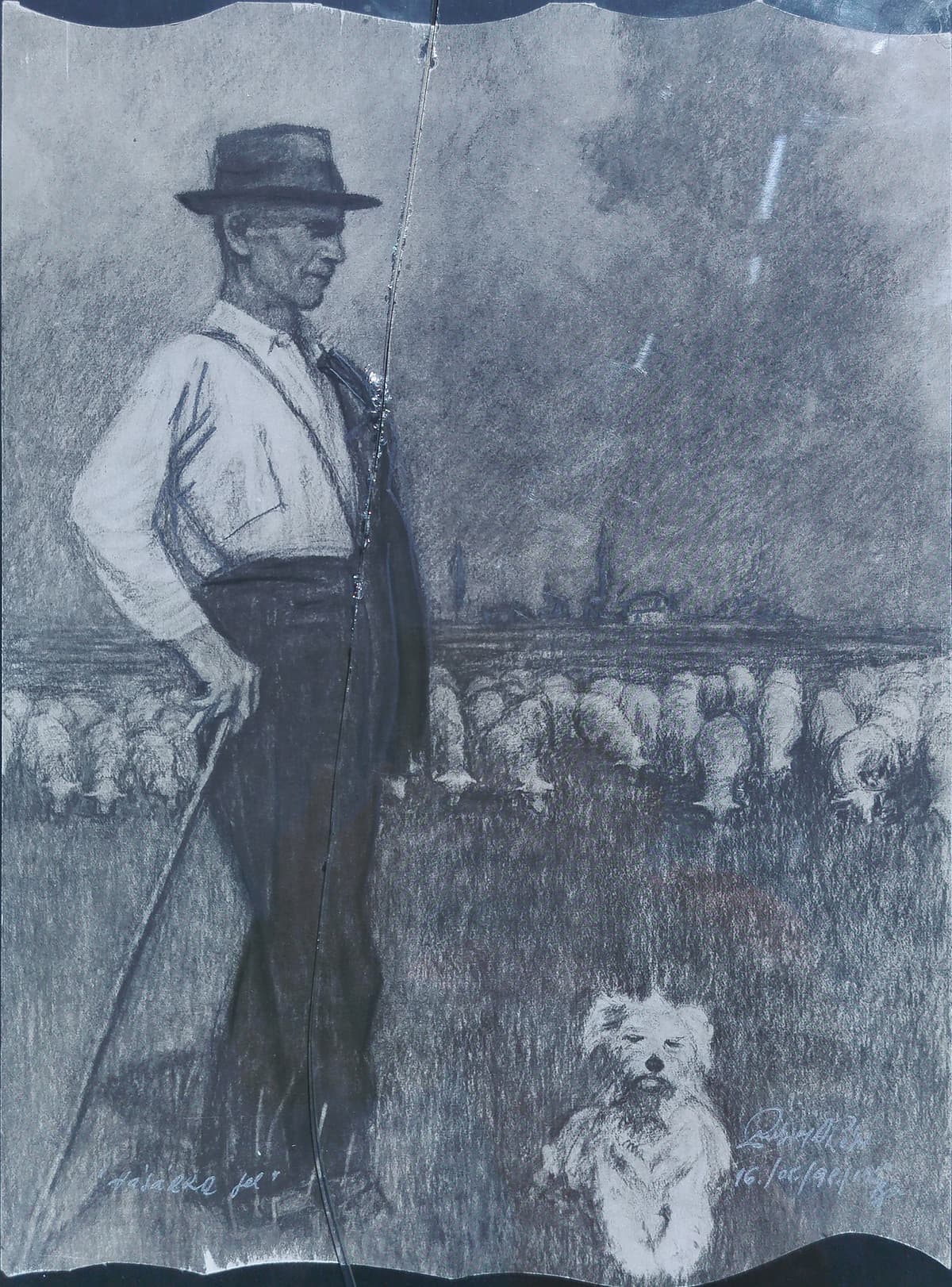
Off to the Fair
Description
No description available yet.
Curators

Ács Érmes Károly
curator
ermesprojekt@gmail.com
Detailed description
Péter Ávrahám Rubint: oeuvre and art
Péter Ávrahám Rubint is a contemporary Hungarian visual artist, born in 1982 in Budapest. His early works are characterized by distinct motifs of realism and minimalism, but later, experimental material use and a desire for conceptual creation came to the forefront. He studied at the Hungarian University of Fine Arts and later organized workshops for himself in Paris and New York with a scholarship.
A key element of his artistic style is the exploration of the relationship between light and space. Péter often combines painting-based, layered surfaces with the playfulness of spatial installations, while working prominently with reflective reflections and shadows. He can create large-scale canvases, but also composes sculptures made of steel and glass.
Among his most well-known works is the "Mirror of Visions" series, where he deconstructs perspective using mirrors; the "Light Stream" installation, which he exhibited at the Ludwig Museum; and the interactive light and sound composition titled "Weathering", which flashes the elements of nature.
At the heart of Péter's creations lies identity, the nature of nature, and the ephemeral quality of time. His works provide an intellectual challenge and a sensual experience for the audience, revealing multiple dimensions of reality through the fusion of technology and organic form.
He has exhibited at the Műcsarnok, the National Gallery of Budapest, and several international biennials. In 2019, he won the Derkovits scholarship, and in 2022 he received the Pécs Art Award. His future plans include a large-scale installation showcasing environmental reflections, which will be presented outside of Europe as well.
Péter Ávrahám Rubint's work dynamically shapes contemporary Hungarian visual art and continuously offers new perspectives on the relationship between space, light, and humanity.