Rubint Ávrahám Péter
Shard of the Red Planet
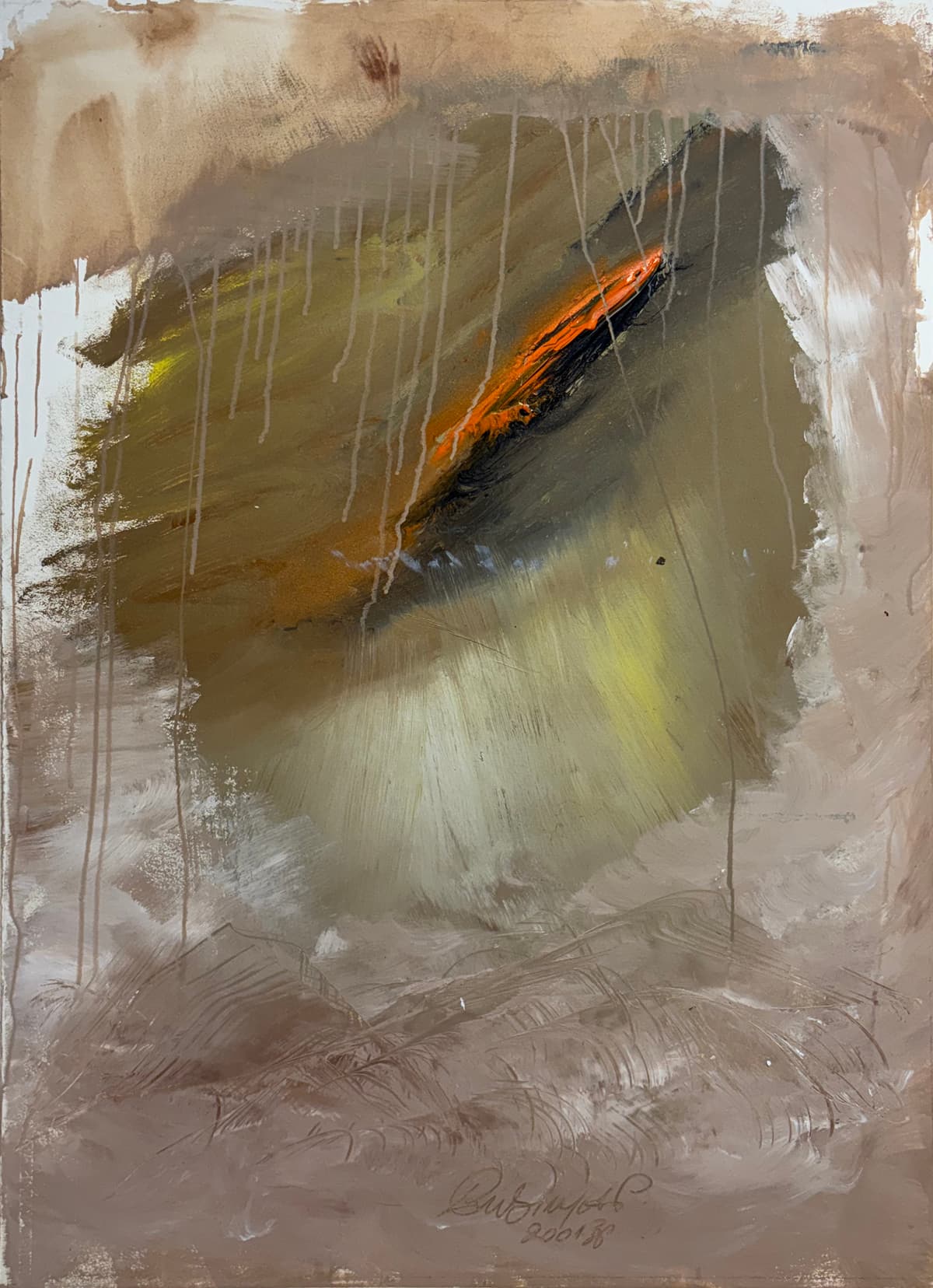
Description
No description available yet.
Curators

Ács Érmes Károly
curator
ermesprojekt@gmail.com
Detailed description
The Art of Ávrahám Péter Rubint: A Quest for Contemporary Expression
Ávrahám Péter Rubint was born in 1978 in Szeged and has since been an active shaper of the domestic contemporary art scene. He studied at the Moholy-Nagy University of Art and Design, where his passion for multimedia expression and interactive installations developed. His works are characterized by experimentation at the intersection of form language and technology.
Among his early works, the installations titled Light Labyrinth stand out, in which LED panels responsive to movement are combined with sound synthesis. In these works, Péter Ávrahám examines spatial perception, creating a unique experience based on the active participation of the audience.
In the 2010s, the artist experimented with the combination of digital and analog techniques. In the Memory Network series, he scanned old photographs and complemented them with hand-painted layers and programmed animations. This work highlights the dialogue between personal memory and collective history.
Thematic focuses often include issues of identity, the socially shaping power of technology, as well as environmental sustainability. In his latest exhibition titled Biotopes, sensors planted in live plant parts and kinetic structures create an organic composition in which the visitor also participates in the continuous transformation.
Péter Ávrahám's works have been presented at numerous national and international biennials, including notable events in Venice and Manifesta. Critics often praise his refined aesthetics and the application of technological innovations, offering an experience that is both exciting and provocative.
Overall, the art of Ávrahám Péter Rubint places multimedia experiments at the forefront of contemporary art discourse, while elevating the recipient to an active participant. His creations are not merely aesthetic objects but genuine platforms that initiate dialogue, which may continue to have an inspiring influence on the international art community in the future.