Lot details
Curators

Ács Érmes Károly
curator
ermesprojekt@gmail.com

Ohnhaus Éva
curator
eva.artdeco@gmail.com
Detailed description
Gyula Rudnay – Overview of His Work
Gyula Rudnay (1878–1957) is one of the most significant Hungarian painters and graphic artists of the 20th century. His art combines elements of classicism and Art Nouveau, providing a new perspective on Hungarian painting tradition. Throughout his career, he became a defining figure in the domestic art scene.
He studied in Budapest and Munich, where the European artistic movements of the era had a profound impact on him. His early works were still based on the effects of Impressionism, while increasingly pronounced stylized forms and decorative compositions appeared in his later pieces. In 1911, he won the Munkácsy Scholarship, and from 1917 onwards, he was an active member of the Szinyei Society, taking several study trips to Italy and France.
His painting titled Civic Wedding (1904) is a masterpiece depicting Hungarian house balls and folk customs, while Dawn on the Plains (1930) captures the romantic atmosphere of life on the plains. We must also not forget his monumental wall paintings found in public buildings, which enhance the solemnity of communal spaces.
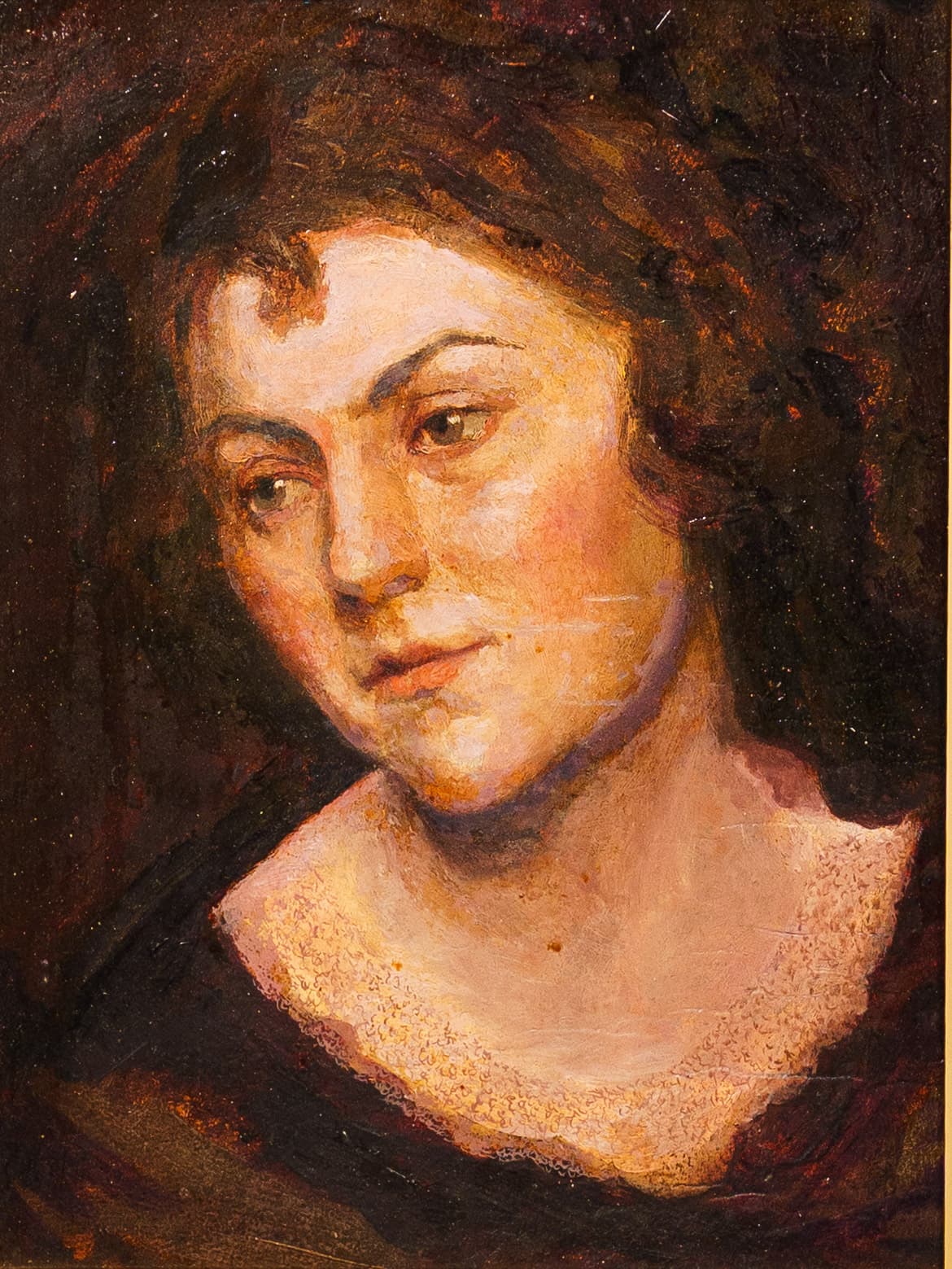
Rudnay's art is characterized by soft shading and composition; alongside figurative representation, he often employed allegorical motifs. He also left behind significant works in his graphic art, especially his etchings and lithographs, which stand out for their precision. His portraits also subtly reflected the personalities of the clients.
His legacy continues to vibrantly impact Hungarian art life: we can see his works on the walls of art collections, museums, and public buildings. Gyula Rudnay's oeuvre is an important part of the Hungarian intellectual tradition, with his memory preserved by several commemorative exhibitions and research.